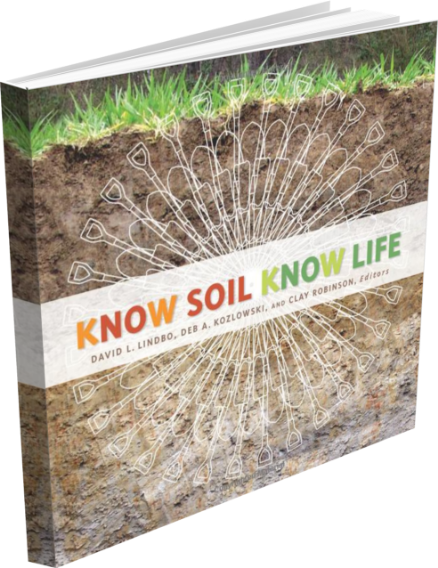
Students analyze changes in precipitation as predicted by climate change models to consider how a changing climate could influence erosion rates in agricultural areas
Students will understand the characteristics of a healthy soil, including how energy, water, and nutrients cycle through it; healthy soil structures; and the impact of soil textures.
The lessons in this Soils Overview Unit provide students with a basic understanding of the fundamentals of soil science through the integration of disciplinary core ideas, science and engineering practices, and crosscutting concepts. The unit includes six sections, each containing learning objectives, background information, student information, selected resources, and ties to the NGSS standards
This SSSA video introduces the role of water in the vitality of soils, its distribution across and into soils, and green infrastructure for stormwater management.